
Sciatica is one of those conditions that seems to come out of nowhere — a sudden twinge in the lower back, followed by pain that shoots down the leg. For some, it’s a dull ache; for others, it feels like burning, stabbing, or even electric shocks.
This happens when the sciatic nerve — the body’s longest nerve running from the lower back down through each leg — gets irritated or compressed. Common causes include a herniated disk, spinal stenosis, or even tight muscles like the piriformis.
Radiating leg pain: Often starting in the lower back or buttock and traveling down the thigh, calf, or foot.
Numbness or tingling: A “pins and needles” sensation, sometimes alternating with sharp bursts of pain.
Weakness: In severe cases, the affected leg may feel heavy or difficult to move.
One-sided discomfort: Usually affects one side of the body, though both sides can be impacted in rare cases.
Helps ease tension in a muscle that can compress the sciatic nerve.
Lie on your back, bend your knees, and cross one ankle over the opposite thigh.
Gently pull the bottom leg toward your chest.
Hold for 20–30 seconds, repeat both sides.
Relieves pressure in the lower spine.
Lie flat, bring one knee toward your chest.
Hold for 20 seconds, switch sides.
Improves flexibility in the spine.
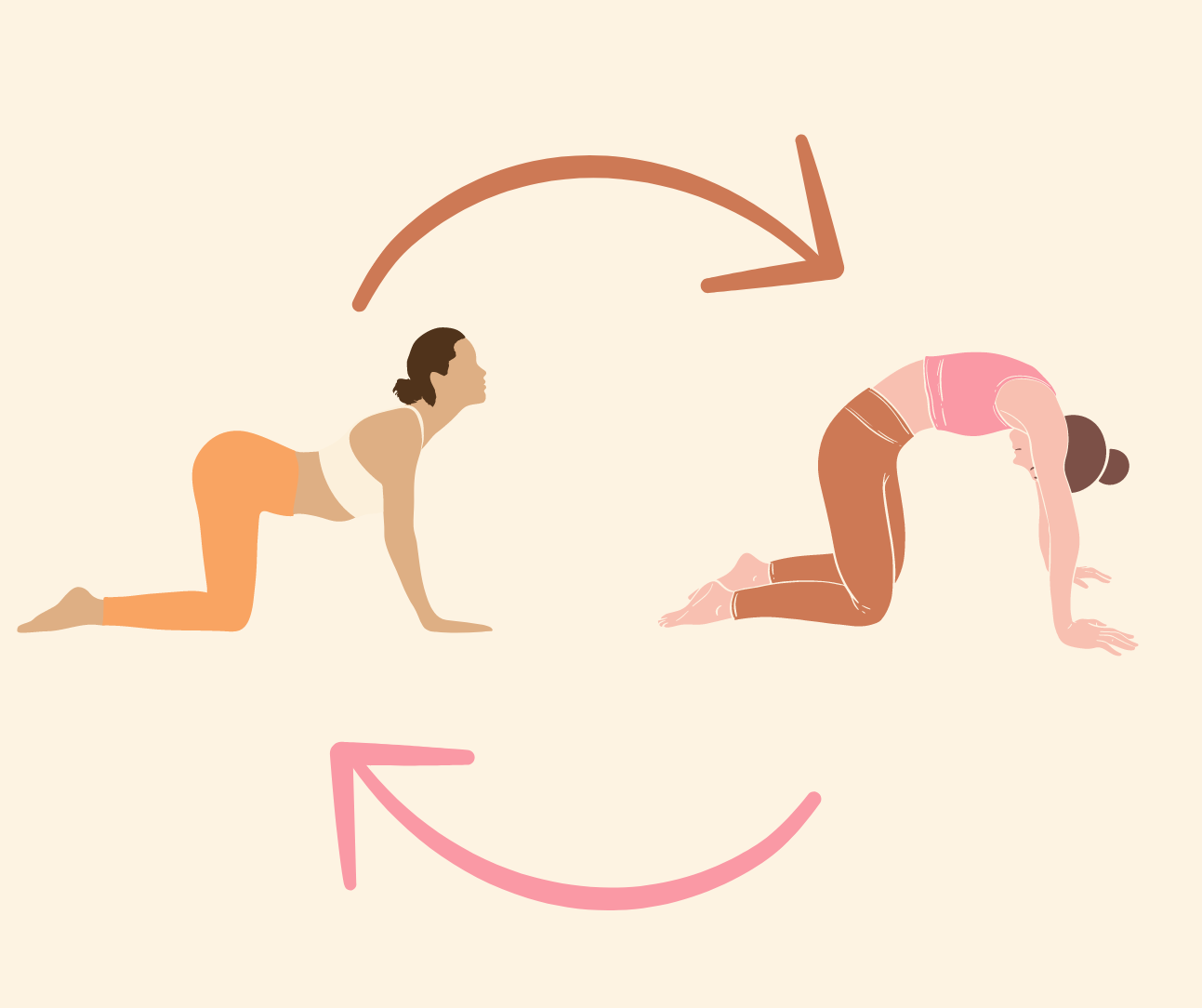
On hands and knees, arch your back (cow), then round it (cat).
Repeat for 10–12 slow breaths.
Targets tight hamstrings that worsen nerve irritation.
Sit with one leg extended, heel on the floor.
Keep your back tall and lean forward until you feel a stretch.
Hold 20–30 seconds per side.
Builds core stability to support your lower back.
Lie on your back with knees bent.
Flatten your lower back against the floor by tightening your core.
Hold 5 seconds, release. Repeat 10–15 times.
Beyond exercise, lifestyle habits and self-care can ease discomfort:
Heat Therapy: Warm baths, heating pads, or saunas help relax tight muscles and improve blood flow.
Cold Therapy: Applying ice packs in the early stages may reduce inflammation.
Gentle Movement: Prolonged rest can worsen symptoms; light walking or swimming often helps.
Massage Therapy: Can ease muscle tightness that irritates the sciatic nerve.
Mind-Body Practices: Yoga, mindfulness, and breathing exercises reduce stress, which may amplify pain.
Sources: Mayo Clinic, Cleveland Clinic, NHS guidelines.
Sciatica can feel overwhelming, but it doesn’t have to define your daily life. By combining targeted stretches, gentle strengthening, and supportive self-care practices like heat therapy or relaxation, most people see gradual improvement. If pain persists or worsens, consult a healthcare professional for tailored treatment.

Click on which service you are interested in, and we will guide you from there.
Your nutrition plan is tailored to your unique goals, lifestyle, and health needs, ensuring sustainable and realistic changes.
Uncover hidden imbalances for hormones, gut health, and food sensitivities—personalized to help you feel your best.
Experience yoga tailored to your unique needs with our private sessions.